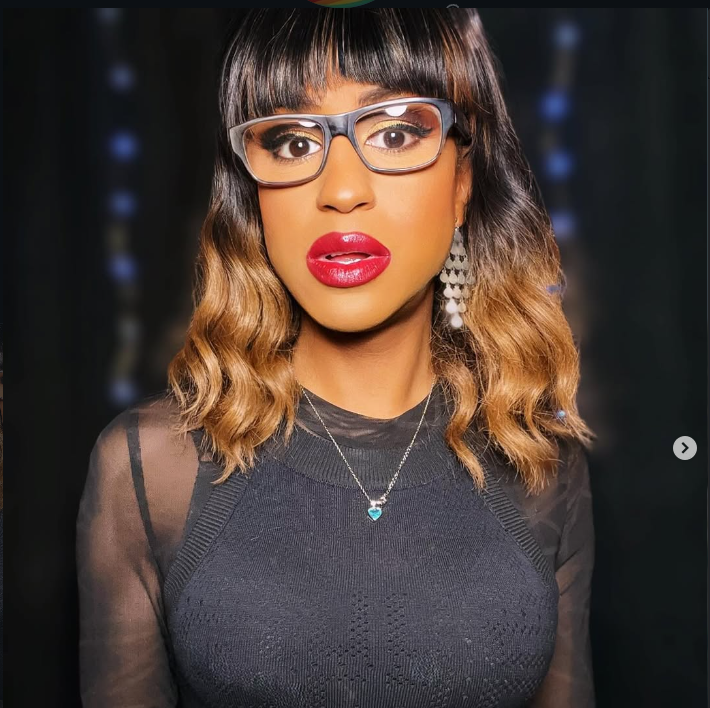
 By Skye Vernon
Every other day I see an artist post some half-ass attempt to market a song, then complain that AI art is taking their job or that they are being forced to compete with AI.
What pisses me off is how much that skips over.
The game has changed. For years, being an artist online meant doing your craft in private and uploading the result when it was finished. But people used to at least try when they uploaded it. They made cover art. They promoted themselves across different platforms. They played local shows. They dropped albums, collaborations, and music videos regularly. There was something around the art that made it feel like a release instead of a file somebody remembered to post.
Today I see artists post on Instagram whenever they feel like it and then get angry that nothing happened. They have no officially published work, no copyright registration, no website, and no chain connecting their social media. If I find you on Instagram, I should be able to find your YouTube without doing CSI. I should not have to search three different spellings of your name to find out whether the song you are promoting is even available anywhere.
That is not AI stealing your job. That is you not having your shit together.
Everybody is waiting on one viral video
Too many people have decided that all they need is one video to go viral and then they will be rich and successful. They do not think about the entire chain of events that has to lead up to that moment and give it fuel. They definitely do not think about what has to happen immediately afterward.
Say the video works. Somebody likes the clip and taps your profile. Then what? Is the full song released? Is there another video? Is there a YouTube channel? Can they buy anything? Can they see a performance? Is there even a link?
If none of that is ready, the attention has nowhere to go. You did not build a career. You got a busy comment section for a few days.
And some of these attempts are so lazy that I do not understand why anybody expects them to work. People point a phone at a computer monitor like screen recording is not a thing. They post a plain video of themselves lip-syncing to their own song like we have not been watching that exact post for fifteen years. Video editing exists. Lighting exists. Clean audio exists. Interesting angles exist. Nearly every phone and computer people use to post has the tools to turn that post into an actual production.
Human slop exists. Production values matter.
Think about the non-candid viral videos you actually remember. Usually somebody thought about the angle, the sound, the lighting, the edit, or the performance. It does not need to be expensive, but it does need to look like the person making it gave a damn.
TikTok and Instagram are not good places to build your entire career. They used to feel more organic before every platform decided advertising and promoted posts were the answer to everything. Now artists keep doing the same tired thing on the same platforms, hoping the algorithm picks them, while the platforms keep making organic reach harder and selling the solution back to them.
I am not saying stop using them. I am saying stop confusing posting with marketing. Every social should connect to the others and lead back to something you control. People should be able to find the work, the videos, the store, the portfolio, and whatever comes next.
Now the story and the performance matter more
Before, most people did not care how you made the song. Now that AI can make a song too, you need to show us how and why you made yours.
We need the story now because the story is the part AI cannot give us in the finished product. Show the writing. Show the recording. Show the bad take you had to redo. Show the stupid argument that inspired the lyrics. Show the people in the room. Show the choices. Show us why this song needed to come from you.
Just uploading the finished thing will not do anymore. The performance matters. The story matters. The presentation matters. That does not make the art fake. It gives people a reason to care about this specific work from this specific person when they are buried under more content than anyone could ever watch.
The same thing applies to visual artists and graphic designers. Fan art is art, but drawing fan art and posting it on Tumblr or a subreddit is not the same thing as making a production-ready asset somebody can use in a game, website, animation, or video. Those are different skills serving different needs.
If you want to make money with art, at some point you have to go where people are spending money. More people can make games, websites, videos, and digital projects than ever. They need sprite sheets, UI, icons, environments, rigged models, textures, VFX, animation, and art packs with clear licenses and files that actually work. AI can generate a pretty picture. Turning that picture into a consistent, usable set of assets is still a pain in the ass.
Go look through digital asset marketplaces and see how much of that work is being supplied by artists and small companies that understand the assignment. Then compare it to the American artist still posting disconnected illustrations on Instagram and waiting to blow up.
Patreon says its own discovery systems drive more than $200 million to creators annually. I am not saying everybody needs a Patreon. I am saying direct support is real, and finding the exact audience that wants what you make makes more sense than trying to appeal to everybody at once. Patreon: Discovery on Patreon
Every space has a niche. Own yours. Serve it. Give those people more of what they came for. A smaller audience that actually buys, shares, supports, and comes back is worth more than broad attention from people who forget you five seconds later.
And get the boring parts handled. Publish the work properly. Know where it is. Know what you own. Copyright exists automatically when original work is fixed, but registration provides additional enforcement benefits if you ever need them. U.S. Copyright Office: What is Copyright?
We live in the future. The tools are everywhere. Production is more affordable. Distribution is easier. You can reach a niche audience with a level of accuracy artists twenty years ago would have killed for.
So yes, AI is changing art. The platforms are screwing artists. The algorithms are hostile. All of that can be true.
But at some point, your lack of success is mostly your fault.